


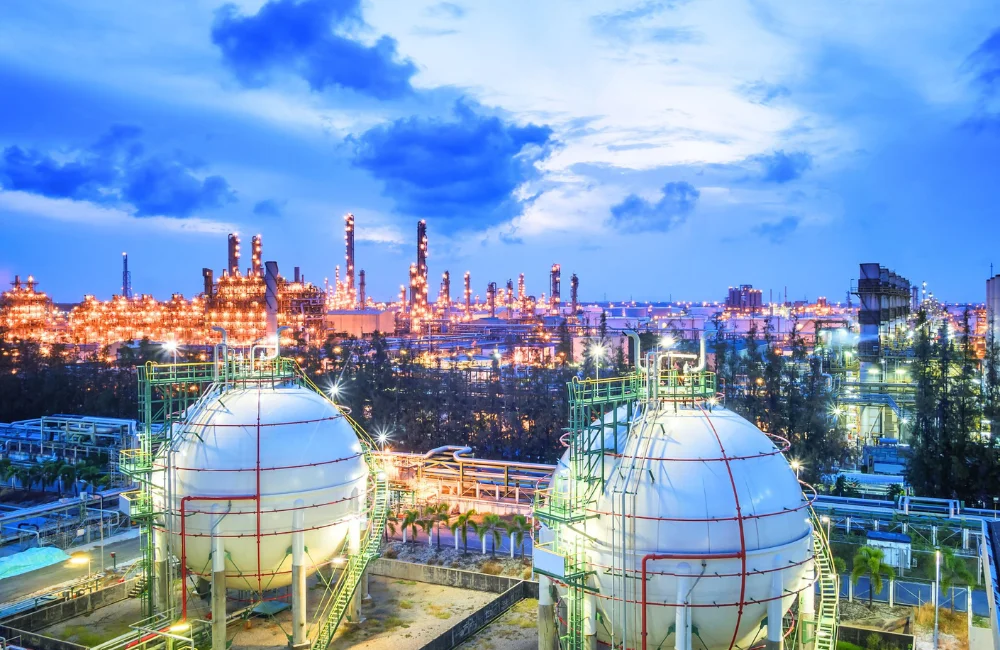
The term gas plant may bring to mind a large energy production facility. In industry, however, it also includes the complex gas system within your own premises that powers production. Understanding the whole picture, from large-scale gas plant types to the components and safety standards of an in-house system, is essential to efficient and sustainable energy use.
Gas Plants Explained
Broadly speaking, a gas plant produces, processes, fills, or stores large quantities of gases for sale or industrial distribution. For business operators, however, the term often means an “integrated gas supply station” installed within their own factory as the primary energy source for operations.
Functions and Importance of Gas Plants
A gas plant’s main role is to serve as a source and distribution hub for gaseous energy across sectors, including electricity generation, household use, and especially industrial production fuel. Gas plants therefore underpin economic activity and national energy security.
How They Operate: Gas Plants
Gas plant operations are generally complex and require advanced control technology to deliver quality products and maximize safety. The main processes are:
Production and Storage
The process begins by producing or processing raw materials to obtain gas with the required properties. Gas is then stored in specially designed large pressure vessels, with temperature and pressure strictly controlled at all times to keep it safe and ready for distribution.
Factory Gas Piping
Gas from storage vessels travels through a piping network to points within the gas plant and to external users. This network is a main artery that must be carefully designed and maintained to prevent leaks and ensure continuous energy supply.
Pressure Control and Safety
Pressure controls and safety valves operate throughout the process to ensure safe pressure in every part of the system. If pressure becomes abnormal, safety systems respond immediately to prevent unexpected incidents. Every gas plant must treat this as a top priority.
Types of Gas Plants
At a large-scale level, gas plants can be classified by product and production process. Common types include:
Natural Gas Processing Plants
These large plants separate the components of natural gas extracted from underground reserves. Products include methane, ethane, propane, butane, which are used to produce LPG, and condensate.
Industrial Gas Production Plants
These plants focus on gases for specialized industries, such as oxygen for hospitals or steel cutting, nitrogen for food and electronics manufacturing, and argon for high-quality welding.
Liquefied Petroleum Gas (LPG) Production and Distribution Plants
These plants blend propane and butane in specified proportions, then fill containers of various sizes for household and industrial customers. This type is directly related to gas systems within business premises.
Key Components of a Factory Gas System
We now focus on the ” gas plant ” as a system installed within your own premises. Its main components work together as follows:
Storage Area and LPG Station
This is the factory’s energy store, a dedicated area for a large LPG Bulk Tank or grouped cylinders in a Manifold System. It must strictly comply with safety requirements for separation distances and protective measures.
Vaporizer & Regulator
Factories need large, continuous gas supplies. A Vaporizer accelerates conversion from liquid to vapor to meet demand, after which a Regulator reduces pressure to a suitable level before gas enters production lines.
Piping Distribution System
This network carries gas from the supply station to machinery and points of use throughout the factory. Proper design and pipe material selection are critical to overall efficiency and safety.
Control & Safety System
This is the most important part, comprising gas equipment such as control valves, gas leak detectors, and automatic gas shutoff valves. Together, they monitor and control normal operation and respond immediately to emergencies.
Safety Standards for Gas Plants That Must Be Followed
Operating a gas plant or a gas system within business premises carries safety responsibilities. Applicable standards and requirements must be followed without exception.
Engineering Design and Legal Requirements
The entire gas system must be designed and certified by specialist engineers to comply with Department of Energy Business regulations and international engineering standards. DeeChoice Group has an experienced, knowledgeable team to provide this service comprehensively.
Emergency Prevention and Response Plans
In addition to built-in safety equipment, gas plants need appropriate fire protection, such as extinguishers and tank-cooling water spray systems. Emergency response plans and staff drills are also required to prepare for different situations.
Annual Inspection and Preventive Maintenance
The law requires annual safety inspections of factory gas systems by engineers to ensure they remain in sound and safe condition. Regular preventive maintenance extends service life and reduces potential risks.
Frequently Asked Questions (FAQ)
How Much Does a Factory Gas System Cost?
Cost depends on system size, gas demand, and the equipment selected. Consult specialists for an estimate tailored to the factory’s specific needs.
Is a Permit Required to Install a Factory Gas System?
Yes. If LPG storage or use exceeds the legally specified quantity, an operating permit for an LPG storage facility classified as a place of use is required. Specialists should handle this process.
Do Operators at LPG Use Facilities Need Special Training to Manage the System?
Relevant personnel must be trained in correct and safe LPG use, including applicable laws, basic knowledge, operating equipment, and LPG fire prevention and firefighting. After passing both theoretical and practical training and tests, participants receive an LPG use facility operator identification card approved by the Director-General of the Department of Energy Business.
Conclusion: Safe Gas Plants Are a Worthwhile Investment
Whether a large energy production facility or a complex in-house gas system, a gas plant is central to industrial activity. Investing in a compliant, safe system is an investment in business continuity and personnel safety, rather than simply an expense.
If you need specialists in gas systems and factory gas piping installation, DeeChoice Group has a specialist team with more than 10 years of experience. We use high-quality products that meet Department of Energy Business standards and provide attentive service, because standards and safety are central to our work. For more information, contact us through the following channels:
- Call 061-830-2626 (Sales)
- Line ID: @dcbpartner (Service)
- Facebook: Deechoice Group
- E-mail: Sales@dcbpartner.com