



What Is Preventive Maintenance (PM)?
Preventive maintenance (PM) is the systematic care and servicing of machinery or equipment according to a predefined plan, without waiting for damage or failure. Its main objectives are to prevent unexpected stoppages and keep equipment ready to operate efficiently at all times. It is comparable to an annual health check that identifies abnormalities before serious illness develops.
What Are the Types of Preventive Maintenance?
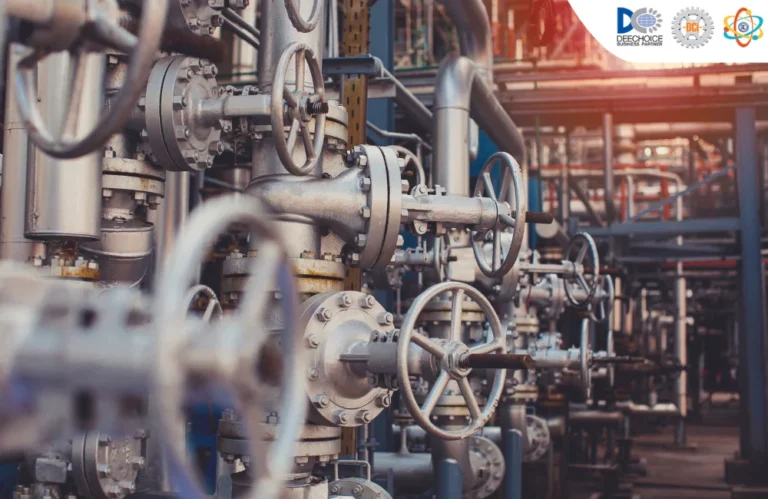
Industrial preventive maintenance takes different forms to suit operating conditions and machinery types. There are 4 main approaches commonly used today:
Time-Based Maintenance
This is the most basic form of preventive maintenance. Servicing or parts replacement follows a defined schedule, such as every 1 month, 6 months, or 1 year, regardless of whether the equipment is used heavily or lightly. This simplifies budget and staffing plans. Examples include scheduled lubricant changes and annual valve inspections.
Usage-Based Maintenance
This approach bases preventive maintenance on actual usage data, such as operating hours, production cycles, or distance traveled. Maintenance begins when a specified threshold is reached. It reflects equipment wear more accurately than elapsed time alone.
Condition-Based Maintenance
This approach relies on regular monitoring of machinery condition, such as vibration, temperature, or pressure. If readings become abnormal or deviate from standard values, engineers investigate and resolve the issue before serious damage occurs. It avoids wasting replacement parts when equipment is still in good condition.
Predictive Maintenance
This advanced form of preventive maintenance uses modern sensors and software to analyze machinery operation in real time. It can accurately predict which components are likely to fail and when servicing should occur, minimizing wasted time as effectively as possible.
Benefits of Preventive Maintenance for Industrial Factories
Good planning brings substantial benefits across the business. Investment in preventive maintenance supports industrial factories in several ways:
Reduces Unplanned Downtime
A breakdown during operation interrupts production and may delay deliveries. Regular preventive maintenance planning greatly reduces the likelihood of these unexpected events, keeping production smooth, continuous, and on target.
Extends Machinery and Equipment Life
Industrial machinery is expensive. Regular care, cleaning, and scheduled replacement of parts reduce deterioration from heavy use. This extends equipment life and helps postpone the cost of buying new machinery.
Saves Repair Costs and Reduces Waste
Although preventive maintenance involves recurring costs, it is much cheaper than major repairs after severe breakdowns. It also reduces resources wasted on defective products made while machinery is malfunctioning.
Improves Safety and Reduces Accident Risk
Deteriorated machinery is a major cause of factory accidents. Preventive maintenance identifies hazards such as damaged wiring or loose components so they can be corrected promptly, creating a safe and secure workplace for everyone.
Why Preventive Maintenance Matters for Industrial Gas Systems
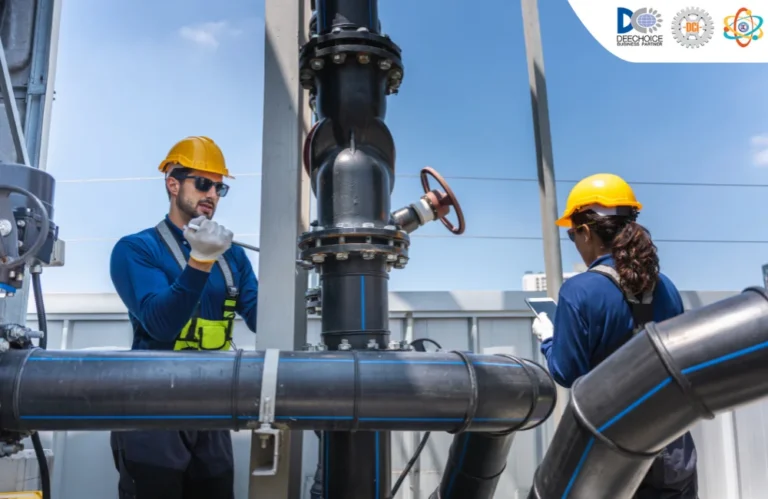
Industrial gas systems are important energy sources, but poor maintenance creates fire risks. Applying preventive maintenance to gas systems is therefore a matter of critical safety required by law.
Checking Gas Pipes for Leaks and Deterioration
Gas pipes and fittings may corrode or develop deteriorated seals over time. Preventive maintenance by specialist technicians can identify small leaks that are invisible to the naked eye, allowing timely repair or replacement before the problem develops into a serious fire.
Testing Safety Systems and Automatic Gas Shut-off Valves
Safety devices such as solenoid valves and gas leak detectors require functional testing as part of preventive maintenance. This ensures that the system responds quickly and immediately cuts off gas in an emergency, helping provide maximum factory safety.
Frequently Asked Questions (FAQ)
How Does Preventive Maintenance Differ from Breakdown Maintenance?
Preventive maintenance involves care and parts replacement before equipment fails. Breakdown maintenance waits until the machinery stops working before repairs begin, typically resulting in higher costs and greater disruption to production.
Does Preventive Maintenance Waste Production Time?
No. Preventive maintenance can be scheduled in advance for holidays or production breaks, avoiding disruption to the daily operating targets of the factory.
How Often Should Industrial Gas Systems Receive Preventive Maintenance?
Basic checks should be performed daily or weekly. Preventive maintenance and system certification by a professional engineer must take place at least 1 time per year, in strict accordance with legal requirements.
How Can Software or Technology Support Preventive Maintenance?
Software records equipment history, automatically issues preventive maintenance reminders, and analyzes component usage data to improve accuracy and prevent human error.
Summary
Applying preventive maintenance in industrial factories not only reduces hidden costs and prevents unexpected machinery stoppages, but also raises safety standards, especially for high-risk energy installations such as industrial gas systems.
If you are seeking specialists to keep your gas system 100% safe, DeeChoice Group offers comprehensive inspection and maintenance services through an engineering team of international quality. Standards and safety are central to DeeChoice Group. For more information, contact us through the following channels:
- Tel. 061-830-2626 (Sales)
- Line ID: @dcbpartner (Service)
- Facebook: Deechoice Group
- E-mail: Sales@dcbpartner.com