



What Is a Gas Solenoid Valve and How Does It Work?
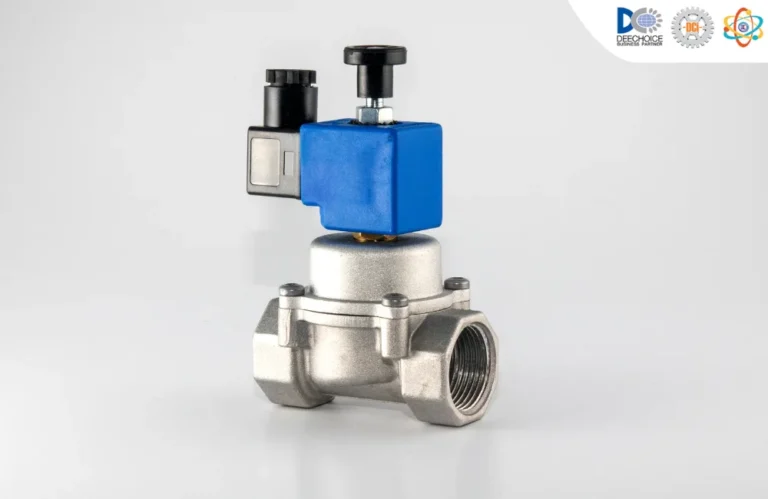
A gas solenoid valve is an electrically operated valve that controls gas direction and flow. When electricity is supplied to the solenoid coil, an electromagnetic field draws the valve core to open or close the gas passage, depending on its design. When power is removed, the magnetic field disappears and an internal spring returns the valve core to its original position. Gas solenoid valves offer fast response, high precision, and remote operation, making them widely used in automatic control systems.
Common Types of Gas Solenoid Valves Used in Industry
Selecting a gas solenoid valve requires consideration of the system and production process design. Valves are generally classified by their state when no electrical power is supplied. There are 2 common types:
Normally Closed (NC) Gas Solenoid Valves
This type is designed to remain “closed” when no power is supplied, preventing gas from passing through. The valve only “opens” when electrically energized. It is the most commonly used type in safety systems because, in an emergency or power failure, it automatically cuts off the gas supply to reduce risk.
Normally Open (NO) Gas Solenoid Valves
Conversely, this type remains “open”, allowing gas to flow whenever power is absent. To stop gas flow, electricity must be supplied to “close” the valve. It is generally suitable for systems that primarily require continuous gas flow and only need to close under particular circumstances.
The Importance of Gas Solenoid Valves in Factory Safety Systems
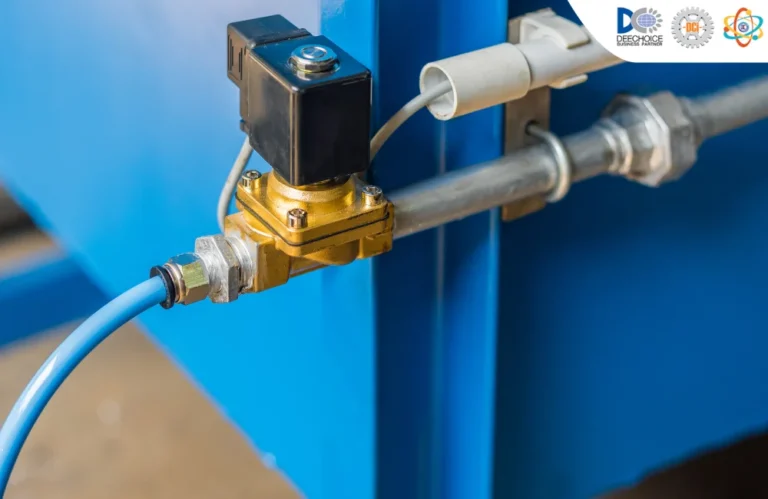
In industries using flammable fuels, gas solenoid valves are more than simple on/off devices. They are a key part of automatic safety systems protecting both people and organizational assets.
Integration with Gas Leak Detectors
For effective hazard prevention, factories often connect gas solenoid valves to gas detectors. When a sensor detects an abnormal gas concentration in the air, the system sends an electrical signal to operate the valve immediately. This enables faster, more precise control than having someone manually close a valve.
Automatic Gas Shut-off for Fire Control
If a leak creates a risk of ignition or explosion, the gas solenoid valve automatically shuts off gas at the main supply pipe. Promptly isolating the fuel supply directly addresses the fire hazard and effectively helps limit damage from spreading to other factory areas.
How to Select a Gas Solenoid Valve for Compliance and Maximum Safety
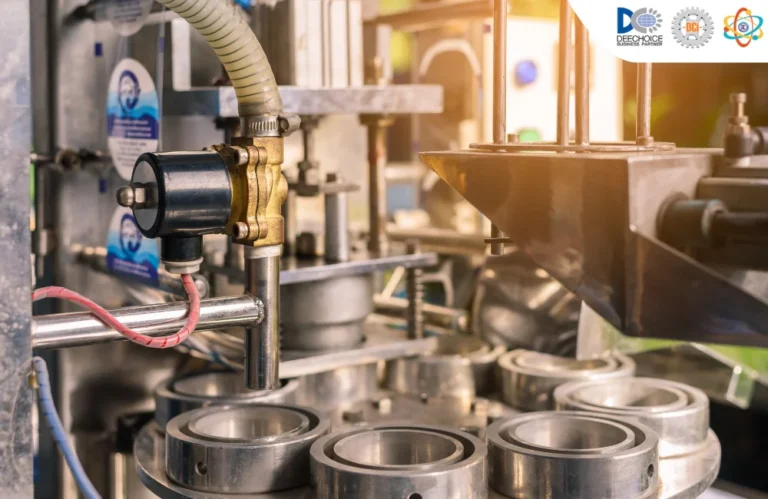
Using gas equipment in pressurized systems involving chemicals requires careful consideration. Proper selection and installation of gas solenoid valves must take engineering factors into account to prevent future hazards.
Choose Materials and Seals Resistant to Industrial Gases
The valve body should use strong materials capable of withstanding high pressure, such as brass or stainless steel. Crucially, internal seals must be chemically compatible with liquefied petroleum gas (LPG) or natural gas (NG). This helps prevent seal swelling or deterioration, major causes of gas leakage.
Selecting Explosion-Proof Gas Solenoid Valves
For high-risk areas, hazardous zones, or plant rooms where flammable gases may accumulate, laws and safety standards specify that explosion-proof gas solenoid valves must be used. Their specially designed construction prevents sparks that may arise inside the electrical coil enclosure from escaping and igniting surrounding gas.
Frequently Asked Questions (FAQ)
Can I Replace or Install a Gas Solenoid Valve Myself?
Doing it yourself is not recommended. Installation and replacement should be performed by specialist technicians or engineers to ensure correct, safe work. Proper leak testing with appropriate equipment is required after every installation.
How Long Does a Gas Solenoid Valve Last, and How Should It Be Maintained?
A typical service life is approximately 3-5 years, depending on the environment and operating frequency. An engineer should inspect and clean the system at least 1 time per year.
What Happens to a Normally Closed (NC) Gas Solenoid Valve During a Power Failure?
If factory power fails, the spring in an NC gas solenoid valve immediately returns it to the “closed” position, preventing gas flow. This provides a reliable fail-safe function.
How Does a Gas Solenoid Valve Differ from a Manual Gas Valve?
A gas solenoid valve opens and closes electrically, providing fast operation and integration with automatic sensors. A manual valve requires human effort to open or close it, which may not be fast enough in an emergency.
Integrating gas solenoid valves into a factory energy system is an investment in higher safety standards. Besides enabling precise, convenient gas flow control, they form an important protective barrier that quickly isolates fuel during emergencies.
If you are seeking a professional team to design, install, or inspect gas piping systems and safety equipment to international standards, DeeChoice Group provides comprehensive advice and services through licensed engineers. We help your factory operate confidently, without worry, and with maximum safety throughout production.
Standards and safety are central to DeeChoice Group. For more information, contact us through the following channels:
- Tel. 061-830-2626 (Sales)
- Line ID: @dcbpartner (Service)
- Facebook: Deechoice Group
- E-mail: Sales@dcbpartner.com