


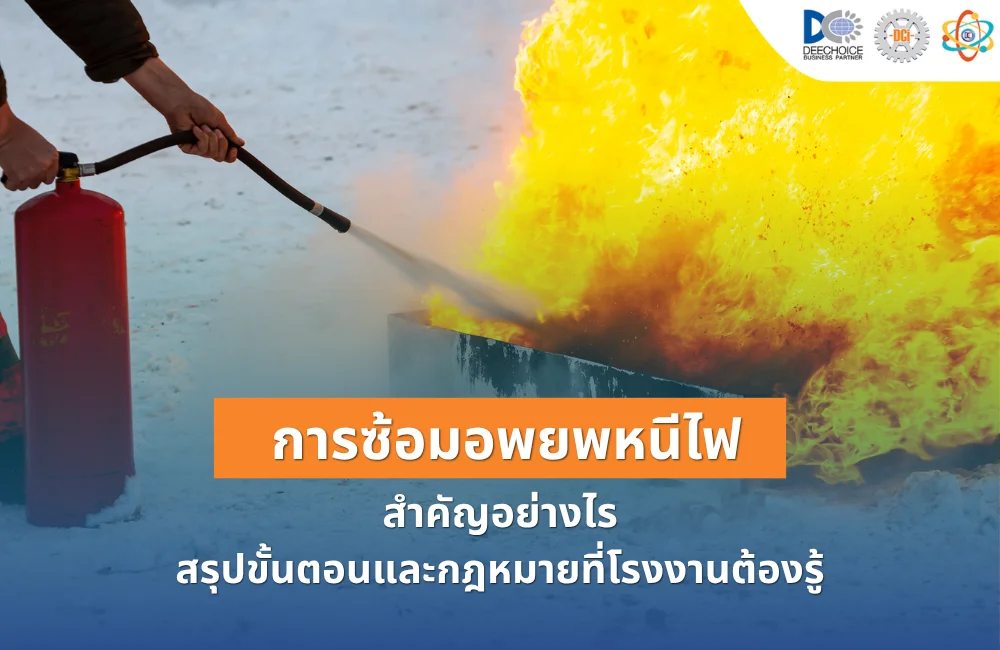
Fire is a serious hazard whose timing cannot be predicted, especially in workplaces with large machinery or substantial quantities of chemicals. A fire can cause enormous loss of life and property. Regular fire evacuation drills are the best way to prepare. This article examines their importance, the required procedures, and legal obligations so workplaces can comply correctly.
Why Factories and Buildings Need Fire Evacuation Drills
Some people see this activity as a burden or lost working time. In reality, annual fire evacuation drills bring more benefits than expected, from regulatory compliance to mental preparedness. The main reasons are outlined below.
Compliance with Occupational Safety and Health Laws
Fire evacuation drills are not merely optional safety activities; they are a legal obligation that employers must strictly observe. The ministerial regulation on standards for the management and implementation of occupational safety, health, and working conditions relating to fire prevention and suppression clearly states that workplaces with ten or more employees must hold a fire evacuation drill at least once a year. Employers who fail to arrange drills face legal penalties, including imprisonment and substantial fines. Conducting drills therefore demonstrates organizational responsibility for employees and compliance with the law.
Reduces Panic and Losses During a Real Fire
During a real fire, most people initially react with panic. Fear can lead to poor decisions and injuries or fatalities from crowding and trampling. Realistic evacuation drills build familiarity. With repeated practice, employees can remain calmer, know which route to take, and identify the evacuation leaders.
Checks Readiness of Alarms, Extinguishers, and Escape Routes
A scheduled drill also gives the workplace an opportunity to check all building safety systems. Alarms or emergency lighting may be damaged without anyone realizing it. Activating simulated alarms during drills helps maintenance staff identify faults and correct them promptly.
Items to check alongside the drill include:
- Test whether alarm bells can be heard throughout every working area.
- Check that fire exit doors open easily and escape routes are unobstructed.
- Check the pressure and expiry dates of all extinguishers shown on the layout plan.
How to Conduct Fire Evacuation Drills Correctly and Effectively
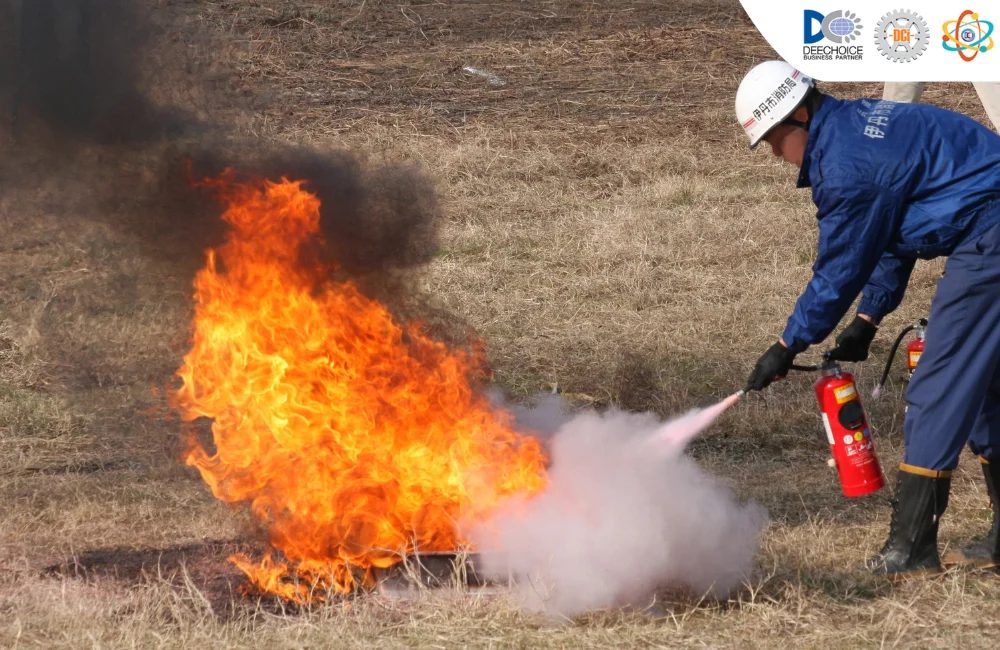
A clear sequence is essential to meet objectives and avoid confusion. The basic steps are as follows.
Emergency Planning and Role Assignment (Firefighting and Evacuation Teams)
Successful drills require careful planning before the exercise. The workplace must prepare clear documentation and emergency layouts and systematically assign responsibilities to employee groups. Clearly defined roles keep the drill smooth and prevent confusion.
Simulating a Fire and Activating the Alarm
The team assumes a fire has started in a high-risk area. The person discovering the simulated incident must activate the emergency alarm so it sounds throughout the building. This stage tests how quickly the initial firefighting team reaches the area and whether other employees immediately stop working and prepare to evacuate.
Orderly and Safe Evacuation to the Assembly Point
On hearing the alarm, all employees must stop their activities and follow the evacuation leader to the designated assembly point. They should walk quickly but must not run, to prevent falls that could obstruct others. The assembly point must be a spacious, well-ventilated outdoor area at a safe distance from the incident.
Rules to Follow When Leaving the Area
- Walk in single or double file along the routes shown on the building plan.
- Never use elevators during drills; use emergency stairs only.
- Do not re-enter the building to collect belongings or personal property.
Headcounts, Evaluation, and Identifying Improvements
Once everyone reaches the assembly point, each department head must immediately check the attendance of their staff to confirm that nobody remains inside. Missing persons must be reported promptly to the search team for investigation. The final step is a meeting of all relevant personnel to review performance.
Points to Evaluate After Fire Evacuation Drills
- Whether total evacuation time meets the required standard.
- Problems encountered, such as doors that are difficult to open or alarms that are too quiet.
- Use all identified shortcomings to improve the emergency plan for future exercises.
Integrating Fire Evacuation Drills with Industrial Gas System Safety
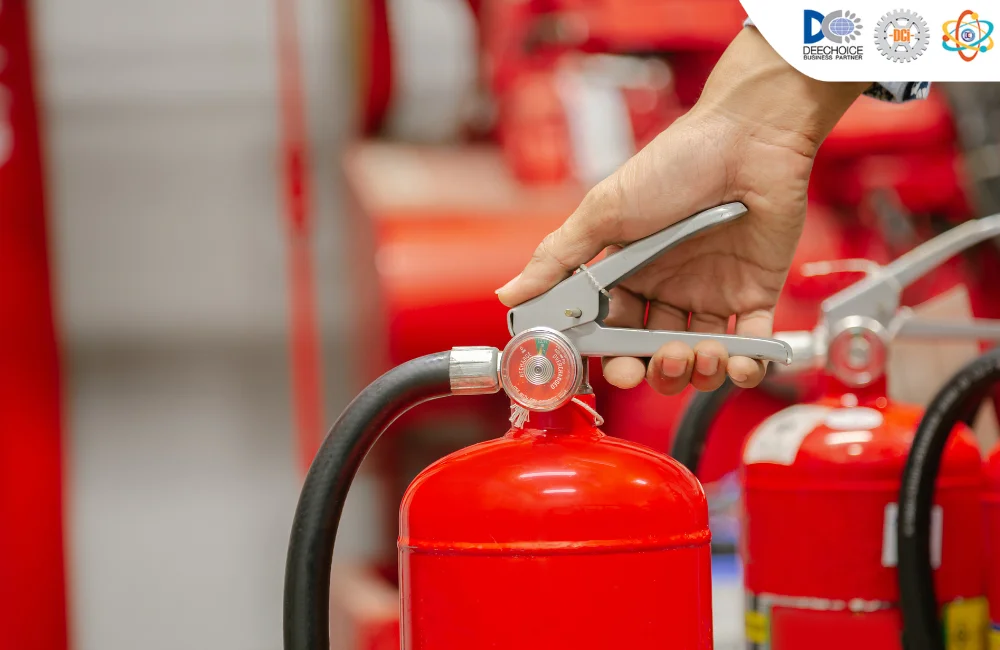
Workplaces with large machinery or fuel-based energy systems face different risks from ordinary offices, particularly around gas piping, which is highly fire-sensitive. Fire preparedness must therefore be more rigorous. Integrating evacuation drills with maintenance measures for gas systems helps prevent major incidents from escalating beyond control.
Simulating Fires Caused by Gas Leaks
Factories using industrial gas systems should include gas leak scenarios in their evacuation plans. Gas-fueled fires are more intense and spread faster than ordinary fires. Such simulations help employees recognize the smell of leaking gas and understand how to respond.
Training in Correct and Safe Emergency Gas Valve Shut-off
The most important action when a fire occurs near gas pipes is to isolate the fuel supply as quickly as possible. Drills in these facilities must therefore train technicians or designated personnel to close emergency valves correctly and safely.
Frequently Asked Questions (FAQ)
How Often Must Workplaces Conduct Fire Evacuation Drills Under the Law?
The law requires workplaces with ten or more employees to conduct initial firefighting exercises and fire evacuation drills at least once a year.
Are Employees Who Do Not Participate in Fire Evacuation Drills in Breach of Rules?
Participation in fire evacuation drills is a safety duty that all employees must fulfill under company rules. Avoiding participation may breach workplace regulations. Employers who fail to arrange any drills violate the law and face substantial fines.
When Organizing Fire Evacuation Drills Must Local Authorities Be Notified in Advance?
Workplaces must prepare a fire management plan and submit drill procedures to the relevant government agency or local official before the exercise for review and acknowledgment. This helps ensure that the plan complies with safety standards.
What Makes a Safe Assembly Point for Fire Evacuation?
A good assembly point is a spacious outdoor area without obstructions or structures that might collapse onto employees. If chemicals or gas systems are present, it should be located upwind to avoid smoke or airborne toxic substances.
Summary
Fire can destroy everything in moments, so preparation is essential to reducing its severity. Regular drills help employees stay calm, identify safe routes, and know how to survive a real incident. Thoroughly following the process from planning and simulation to evaluation not only supports legal compliance but also demonstrates care for everyone in the workplace and their property.
If your industrial business needs engineering specialists who understand safety standards and emergency plans, DeeChoice Group provides comprehensive installation, maintenance, and repair of industrial gas, firefighting, electrical, and compressed-air systems. You can be confident that the systems we service prioritize safety and help protect your facility from fire risks.
Standards and safety are central to DeeChoice Group. For more information, contact us through the following channels:
- Tel. 061-830-2626 (Sales)
- Line ID: @dcbpartner (Service)
- Facebook: Deechoice Group
- E-mail: Sales@dcbpartner.com