

In a factory, gas piping acts as a main artery that keeps production running continuously and efficiently. Compliant design and installation affect machinery performance and are central to workplace safety. This article explores gas piping systems from the basics to the standards that must be strictly followed.
Gas Piping Systems Explained
A gas piping system is an organized network of pipes, valves, fittings, and supporting equipment designed and installed to carry gaseous fuel from a supply source, such as a storage vessel or main pipeline, to factory points of use. These include production burners, boilers, and gas-fired machinery. The aim is rapid delivery with constant pressure and maximum safety.
Functions and Importance of Gas Piping Systems in Industrial Facilities
The primary role of gas piping is to distribute energy precisely and reliably where it is needed. It directly affects production efficiency through consistent gas supply, operating costs, and, most importantly, the safety of personnel and factory assets. Investing in a compliant piping system supports long-term business sustainability.
Common Factory Gas Pipe Types and Materials
Pipe material selection is critical. Factors include gas type, system pressure, installation environment, and budget. Each material has different properties, and choosing correctly supports long service life and safety.
Carbon Steel Pipe
Black steel, or carbon steel pipe, is the most common material for industrial LPG and natural gas piping because of its high strength, pressure resistance, and reasonable cost. Seamless Pipe meeting ASTM A53/A106 is commonly used to ensure pressure capacity and safety.
Stainless Steel Pipe
For industries requiring exceptional cleanliness, such as food and pharmaceuticals, or areas with high humidity and corrosion, stainless steel is an ideal choice. Although more expensive than carbon steel, it offers excellent rust and corrosion resistance, long life, and lower long-term maintenance costs.
Designing and Installing Gas Piping Systems Professionally
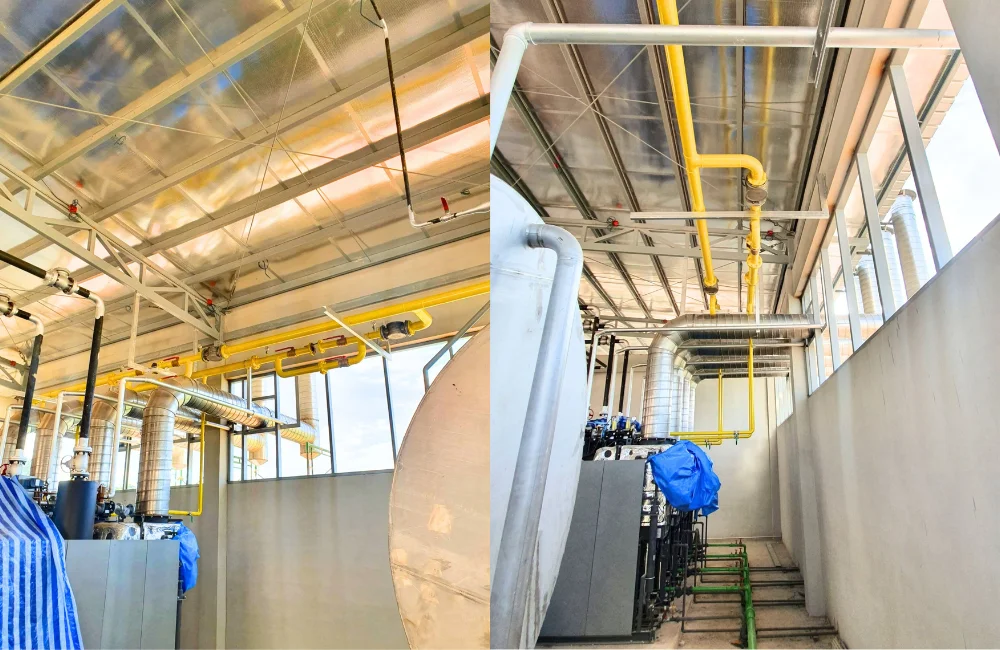
(Alt Text: Gas Piping System)
Gas piping installation requires precision and specialist expertise. Experienced engineers and technicians must carry out the work to meet engineering and safety standards. DeeChoice Group pays particular attention to the following stages to deliver quality, safe installations.
Site Survey and Pipe Routing
The first step is an on-site survey to plan the most suitable route. It should be short and safe, avoid hazards such as high-voltage equipment or excessive vibration, and not obstruct factory operations or traffic. This produces an efficient piping layout.
Pipe Sizing and Flow Calculations
Engineers calculate pipe size from the maximum gas demand of all connected machinery, pipe length, and required operating pressure. Pipes must be large enough to supply sufficient gas without pressure loss that compromises downstream machinery performance.
Installation and Weld Inspection
Technicians install the piping according to the design. Certified, experienced welders must make pipe joints, and all welds must be sound, strong, and free of pinholes to prevent leakage. Non-destructive testing may be used to provide further assurance of weld quality.
Post-Installation Pressure and Safety Testing
After installation, a Strength & Leak Test must be performed. The piping is pressurized with air or inert gas above its normal operating pressure and held for the specified period to check for leaks along the entire route. This is the final stage before handover.
Safety Standards for Gas Piping Systems in Factories
Safety in factory gas piping cannot be compromised. Every stage must follow applicable requirements, including Department of Energy Business standards and other international engineering standards, to provide a safe workplace for everyone.
Separation and Impact Protection Requirements
Gas piping must maintain standard-required separation from ignition sources, electrical wiring, and electrical equipment. Where vehicles such as forklifts could strike a pipe, Impact Protection such as bollards must be installed to prevent damage.
Pipe Color Coding and Identification
Safety standards require clear, commonly understood pipe colors, such as yellow for flammable gas, for rapid identification. Labels showing the gas type and flow direction must also be installed at intervals to prevent confusion and assist maintenance.
The Importance of Maintenance and Annual Inspections
Even a well-installed gas piping system needs regular maintenance. This includes visual checks for corrosion or damage and, importantly, annual safety inspection by specialist engineers as required by law, ensuring the system remains sound and safe for continued use.
Frequently Asked Questions (FAQ)
What Materials Are Used for Factory Gas Pipes?
Common materials are Carbon Steel for general applications and Stainless Steel for industries requiring high cleanliness or exceptional corrosion resistance.
How Often Should Gas Pipes Be Inspected?
Perform regular external visual checks and have specialist engineers conduct legally required safety inspections at least annually.
Legal Requirements for Gas Piping Systems in Factories: What Applies?
Department of Energy Business requirements and relevant engineering standards cover design, materials, installation methods, testing, and annual maintenance.
Conclusion: Choose Specialists for Gas Piping Systems That Are Safe and Compliant
Gas piping is vital energy infrastructure for industrial facilities. Success depends not only on quality materials, but also on sound engineering design, compliant installation, and regular maintenance.
If you need specialists in gas systems and factory gas piping installation, DeeChoice Group has a specialist team with more than 10 years of experience. We use high-quality products that meet Department of Energy Business standards and provide attentive service, because standards and safety are central to our work. For more information, contact us through the following channels: