

Efficient, reliable energy is central to business and industry. LPG systems have become a trusted energy solution for facilities ranging from manufacturing plants to high-rise buildings. Getting the most from them requires a thorough understanding. This article introduces LPG systems, their components, applications, and essential safety standards.
What Is a Gas System?
A gas system is a coordinated set of engineering equipment and components that manages LPG fuel: safe storage in vessels, conversion from liquid to vapor, pressure regulation, and efficient, consistent delivery through pipes to points of use. In simple terms, it is the complete infrastructure that allows LPG energy to be used safely.
Main Components of LPG Gas Systems
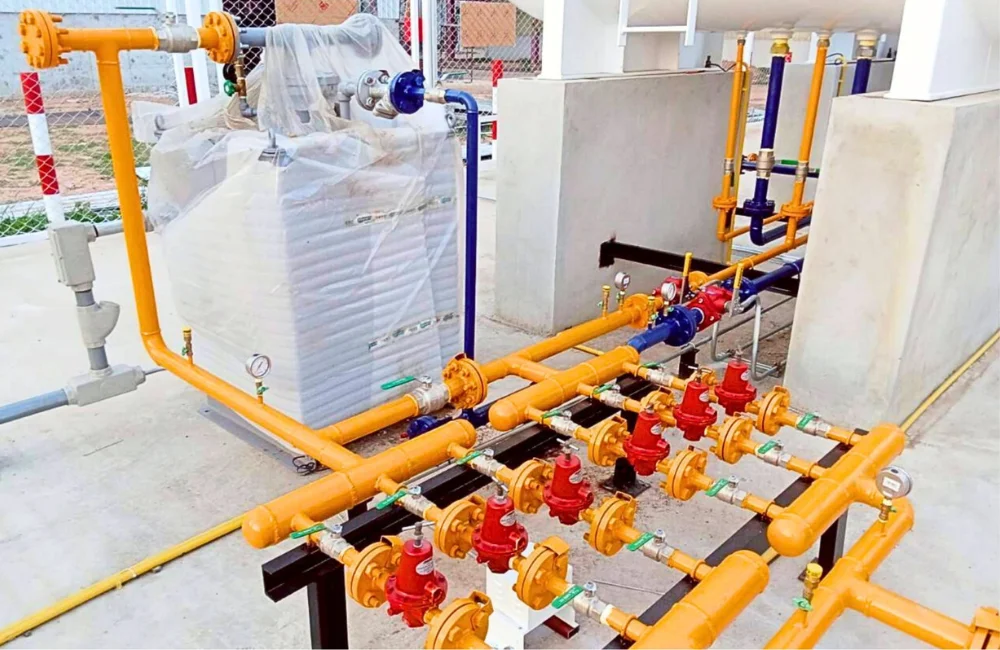
A complete LPG system depends on several key components working together, rather than a single device. Each performs a specific function to ensure smooth and safe energy delivery. Understanding these roles helps business operators see the system as a whole.
LPG Storage Tank
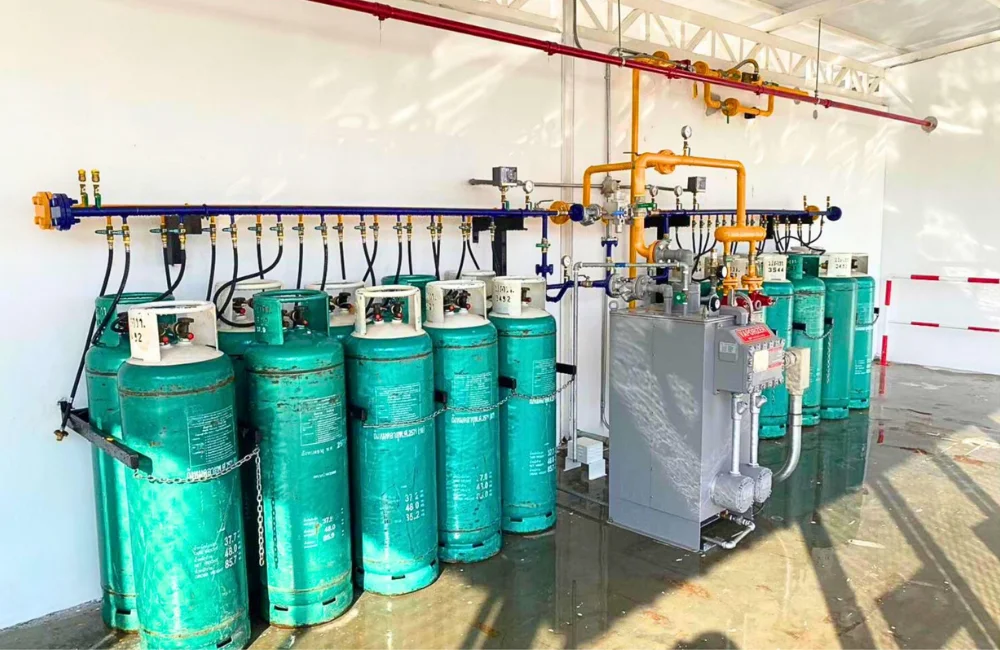
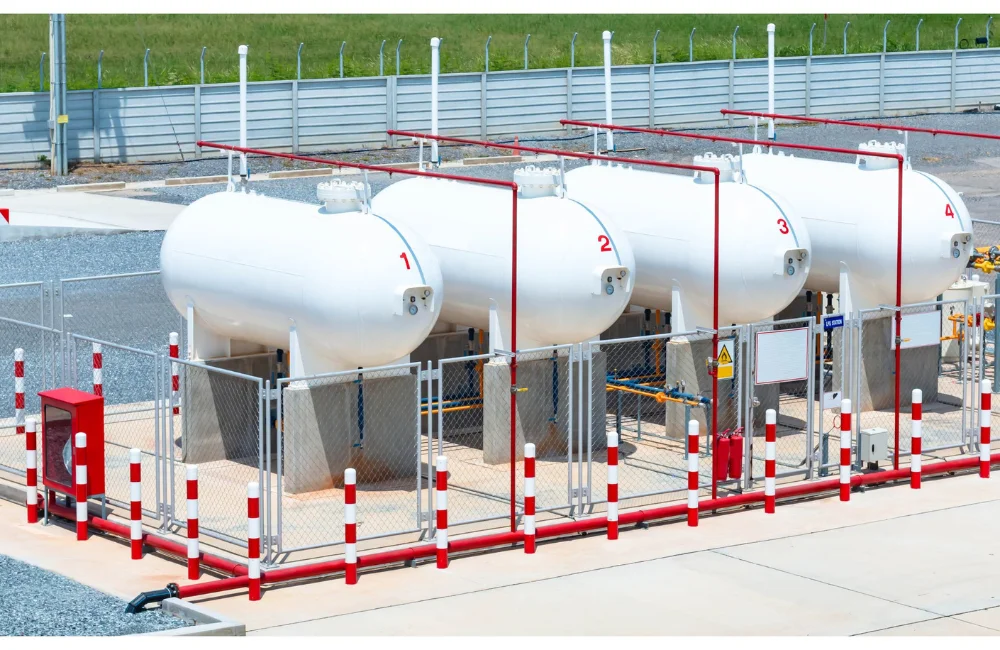
Storage vessels hold LPG as a liquid under pressure. Sizes range from grouped 48-kilogram cylinders in a Manifold System for small and medium businesses to large Bulk Tanks for industrial systems with high, continuous demand. Choosing the right capacity ensures sufficient energy reserves.
Vaporizer
A vaporizer is essential where gas is needed rapidly in large quantities and natural vaporization cannot keep up. It supplies heat to accelerate the conversion from liquid to vapor, ensuring sufficient supply and consistent gas pressure even during peak demand.
Pressure Regulator
Gas leaving a storage vessel or vaporizer remains at a pressure too high for direct use by most equipment. The regulator reduces and controls it to a safe level suitable for downstream appliances, such as stoves or production burners. Selecting a model matched to flow demand is crucial.
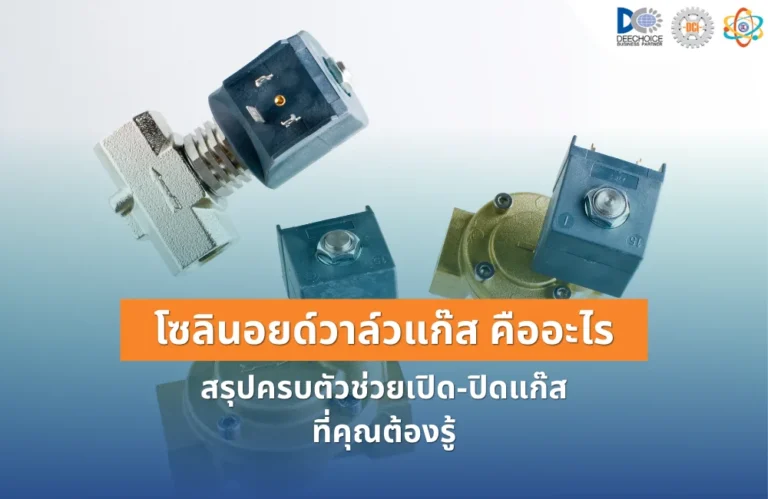
Pipes and Valves
If the storage vessel is the heart, pipes and valves are the vessels carrying energy throughout the facility. Good building and factory system design uses compliant high-pressure-resistant piping, such as Seamless Pipe, and quality valves at suitable locations for safe, convenient isolation and maintenance of each zone.
Safety Equipment and Gas Leak Detection
Safety is the top priority in an LPG system, so a full range of safety equipment is essential. This includes Safety Relief Valves for excess pressure, Gas Detectors at risk points, and Automatic Shut-off Valves that respond immediately when a leak is detected to prevent an incident from escalating.
Applications of Gas Systems in Industry and Buildings Across Different Sectors
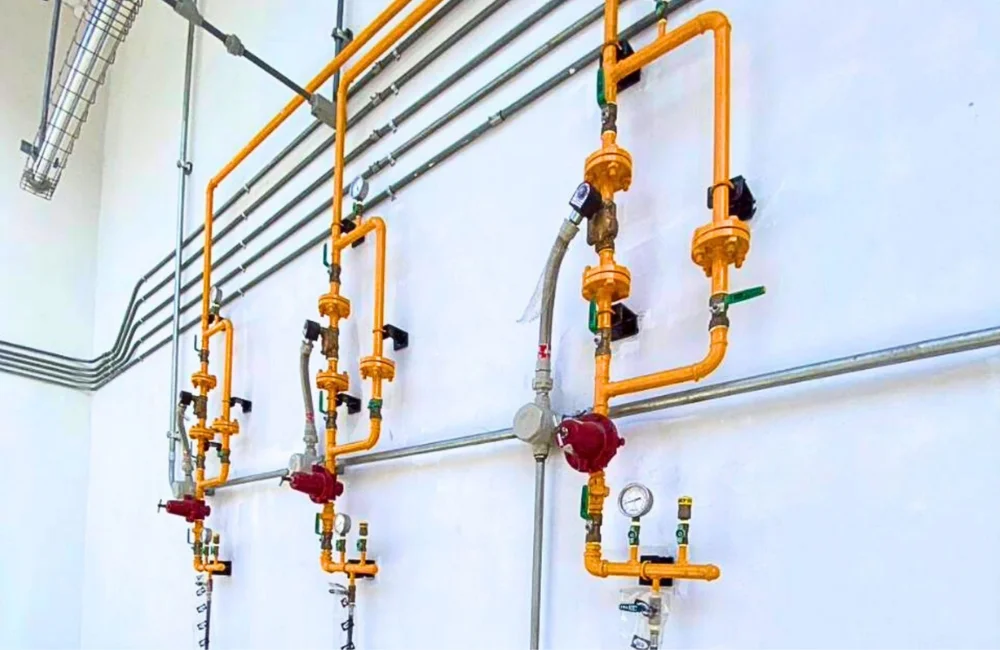
LPG systems are used across many business types because of their efficiency and versatility, from manufacturing requiring steady heat to service buildings supplying energy for customer comfort. Their varied uses demonstrate the flexibility of this energy source.
Gas Systems for Industrial Factories
In manufacturing, LPG supplies thermal energy to machinery and processes such as metal melting furnaces, paint curing ovens, ceramic kilns, and food and beverage production lines. It also fuels Boilers that generate steam for other processes, all of which require a highly stable energy supply.
Gas Systems in Buildings: High-Rises and Commercial Facilities (Hotels, Hospitals, Shopping Centers)
In large buildings such as hotels, hospitals, and shopping centers, LPG powers central kitchens, guest-room hot water, commercial laundry equipment, and even some air-conditioning systems. An efficient gas system supports uninterrupted service and the comfort of everyone in the building.
Safety Standards: The Foundation of LPG Gas Systems
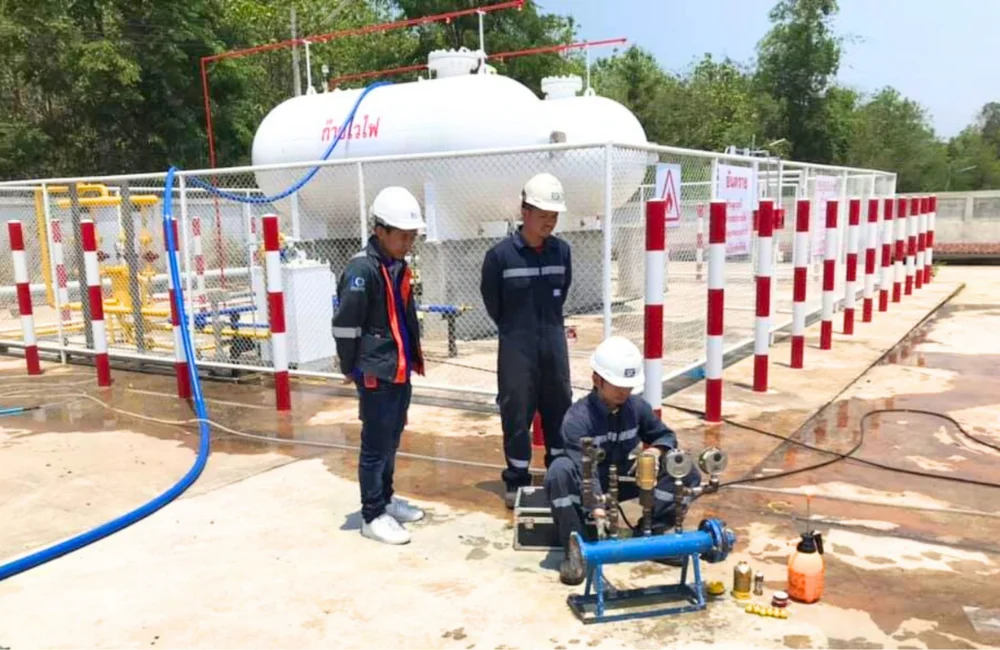
Efficiency and value mean little without safety. LPG installation and operation must strictly comply with engineering standards and Department of Energy Business regulations. Safety is a worthwhile investment in personnel, assets, and business continuity.
Sound Engineering Design and Installation
LPG systems must be designed and supervised by specialist engineers. Work includes sizing pipes and equipment for demand, laying out storage vessels and piping with safe separation, and preparing permit applications for authorities. Together, these steps maximize efficiency and safety.
The Importance of Inspecting Gas Systems Annually
By law, facilities using LPG above the specified quantity require annual safety inspections by a licensed professional mechanical engineer. This system health check confirms that equipment operates normally and has no leaks or deterioration, preventing problems proactively and supporting reliable operation throughout the year.
Selecting Equipment Certified to International Standards
Every component, from vessels, valves, and pipes to safety equipment, affects overall safety. Internationally certified equipment has undergone rigorous quality and durability testing. DeeChoice Group carefully selects quality equipment to create safe, long-lasting gas systems for customers.
Frequently Asked Questions (FAQ)
Installing Gas Systems for LPG: What Does It Cost?
Installation costs vary considerably with system size, equipment type, and site complexity. Consult specialists for an estimate tailored to your specific needs.
Does Every Building or Factory Need Gas Leak Detection?
Yes. Under safety standards and legal requirements in many cases, gas leak detection in risk areas is essential for maximum safety.
Gas Systems How Often Is Maintenance Needed?
In addition to legally required annual inspections, trained personnel should perform regular basic checks. Specialists should also conduct detailed inspections at recommended intervals to extend system life.
Conclusion: Choose Gas Systems That Are Safe, with Specialists You Can Trust
LPG systems are efficient energy solutions vital to industry and modern buildings. Alongside performance, “safety standards” remain essential throughout design, equipment selection, and maintenance. An operator’s most important decision is choosing an experienced specialist partner such as DeeChoice Group, who can advise and deliver a safe, compliant system suited to the business.
If you need specialists in gas systems and factory gas piping installation, DeeChoice Group has a specialist team with more than 10 years of experience. We use high-quality products that meet Department of Energy Business standards and provide attentive service, because standards and safety are central to our work. For more information, contact us through the following channels: