

Work around large machinery, construction sites, or hazardous chemicals carries risks of accidents and harm to workers’ health. Creating a safe environment is therefore a top priority. Personal Protective Equipment, commonly called PPE, provides a protective barrier that helps staff work with confidence. This article explains what PPE is, its types, and how to select suitable protection.
Personal Protective Equipment or PPE: What Is It?
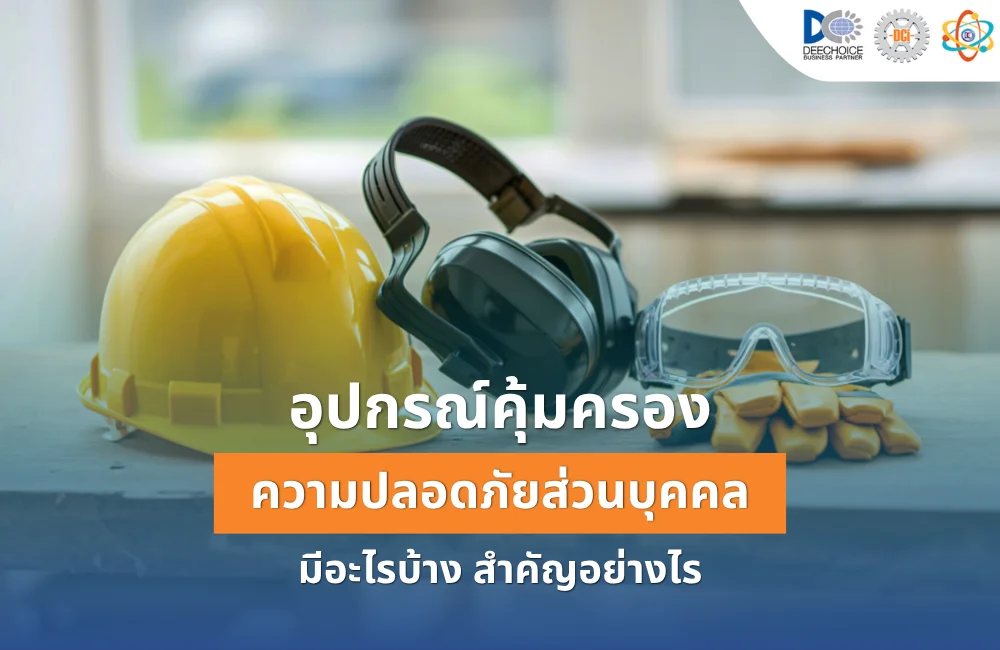
Personal Protective Equipment consists of tools, equipment, or clothing designed to be worn on the body to protect against workplace hazards such as falling impacts, chemicals, heat, electricity, and toxic dust or fumes. Wearing PPE is a basic safety measure strictly required by labor law to reduce accident losses and prevent long-term occupational illness.
Types of Personal Protective Equipment by Application
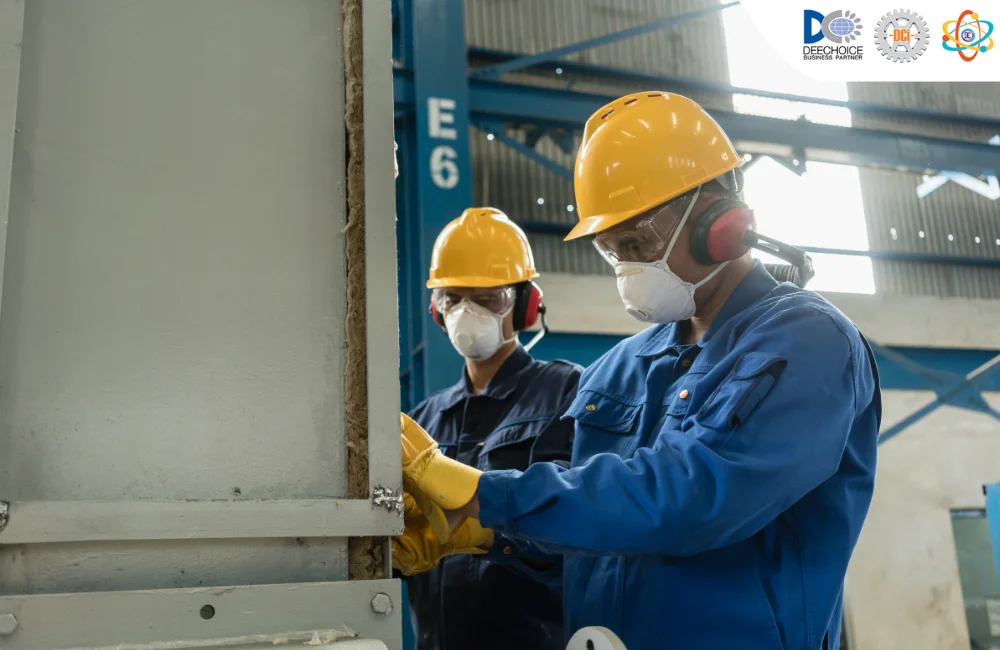
Effective PPE selection starts with the risks in each area. Equipment can be grouped by the body parts it protects:
Head Protection
The head is vital and vulnerable in accidents. Head protection reduces impacts from falling objects, contact with hard structures, and, for suitable types, electrical hazards.
- General safety helmets (Class G) suit construction or factory work, reducing impact and providing a degree of low-voltage electrical resistance.
- Electrical safety helmets (Class E) are designed specifically for high-voltage electrical work and provide high insulation.
- Metal safety helmets (Class C) suit drilling or refinery work requiring high durability, but do not protect against electricity.
Eye and Face Protection
Small debris, chemical splashes, or bright welding light can easily injure the eyes. This PPE category protects vision and facial skin.
- Safety glasses protect against dust and flying metal fragments, with lenses much tougher than ordinary glasses.
- Goggles suit chemical work because they seal against the face to keep liquids or vapors away from the eyes.
- Face shields protect from forehead to chin and are commonly used for metal grinding, cutting, or tasks with direct facial impact risks.
Hearing Protection
Prolonged exposure to noise above acceptable limits is a major cause of permanent hearing loss. Hearing protection is essential in factories where machinery runs continuously.
- Ear Plugs are small foam or silicone inserts worn in the ear canal. They are portable and reduce noise effectively.
- Ear Muffs resemble large headphones and cover the entire outer ear. They are easy to use and suit very noisy environments.
Respiratory Protection
Air contaminated with dust, chemicals, or toxic gases harms the lungs and respiratory system. Equipment in this category filters air before it is inhaled.
- Particulate masks, such as N95 masks, filter small particles, dust, smoke, and airborne pathogens.
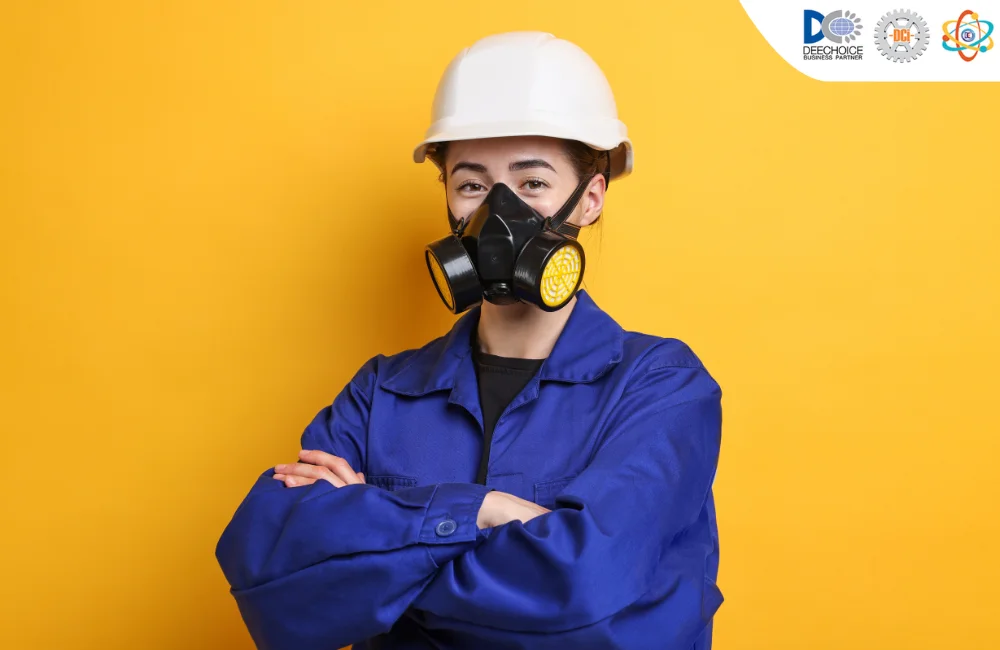
- Chemical respirators use cartridges to absorb chemical vapors and hazardous gases, preventing toxic substances from accumulating in the body.
- Self-Contained Breathing Apparatus (SCBA) is used in confined or oxygen-deficient spaces, such as rescue and firefighting operations.
Hand and Arm Protection
Hands frequently handle materials and control machinery, exposing them to cuts, crushing, and heat. Hand PPE therefore varies to suit each task.
- Leather gloves resist abrasion and heat and are commonly used for welding.
- Cut-resistant gloves use strong special fibers for cutting or handling glass and sheet metal.
- Rubber or nitrile gloves protect against liquids and skin-corrosive chemicals.
- Electrical insulating gloves use specially thick insulating rubber to protect against electric shock during maintenance.
Body Protection
The torso needs protection from severe heat, chemical leaks, and low-light work environments. Body PPE is designed to cover the skin securely.
- Chemical protective suits use acid- and alkali-resistant materials and cover the whole body to prevent contamination.
- High-visibility clothing has bright reflective strips so workers can be seen from a distance, helping prevent vehicle collisions on construction sites.
- Heat-resistant suits use flame-resistant fibers with aluminum coating for very high-temperature metal melting work.
Foot and Leg Protection
Feet are vulnerable to falling heavy objects and sharp items underfoot. Foot PPE must be strong and resist impact and penetration.
- Steel-toe safety shoes reinforce the front with steel to withstand falling objects and prevent toe fractures.
- Steel-midsole shoes prevent nails or sharp debris from penetrating the sole of the foot.
- Rubber boots protect against water and chemicals and can resist static electricity, suiting chemical and food factories.
How to Choose Personal Protective Equipment for Suitability and Safety
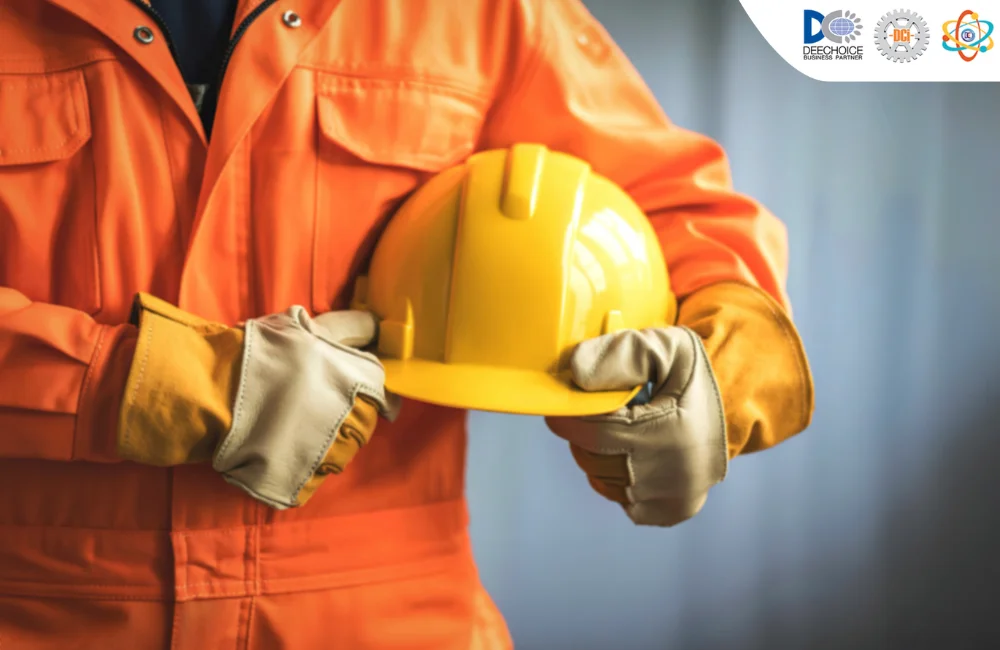
Selecting protection that offers value and genuinely protects life requires considering several factors together.
Assess Workplace Risks Before Starting
First inspect the work area for hazards. Work at height may require fall protection, while continuously noisy areas require hearing protection. Accurate risk assessment helps supervisors identify all PPE needed to cover the hazards.
Choose Certified Equipment (TIS, ANSI, EN, CE)
Products on sale may not actually provide the claimed impact or chemical protection. Look for standard markings such as Thailand’s TIS, America’s ANSI, or Europe’s CE. These indicate that the PPE has undergone rigorous durability testing to recognized standards.
Correct Care and Storage
Clean equipment after use to remove dirt or chemical residue. Store it in a shaded, ventilated place away from strong sunlight, as heat can accelerate plastic and rubber deterioration. Always inspect for cracks or damage before the next use.
Personal Protective Equipment Required for Industrial Gas Technicians
Work involving gas systems is high risk because it involves pressurized flammable gas. Technicians need carefully selected equipment designed for these specific hazards.
Cold-Resistant Gloves and Chemical Protective Clothing for LPG Work
Liquid LPG is extremely cold. A leak contacting skin directly can cause severe cold burns. Technicians should wear cold-resistant gloves and clothing covering exposed skin to protect themselves when maintaining gas pipes or valves.
Respirators for Vapors and Toxic Gases
Residual gas may remain in the air around repair locations. Inhaling large quantities can cause dizziness, unconsciousness, or acute oxygen deficiency. Respirators fitted with cartridges for vapors and flammable gases help technicians breathe safely while completing the work.
Frequently Asked Questions (FAQ)
Who Is Legally Responsible for Providing Personal Protective Equipment to Employees?
Occupational safety, health, and working environment law requires employers to bear all costs and provide compliant PPE to employees, who do not have to buy it themselves.
If Personal Protective Equipment Is Damaged, Can It Be Repaired and Reused?
Do not glue or repair cracked, torn, or damaged equipment to keep using it. A damaged structure no longer withstands impacts or chemicals as effectively. Replace it immediately for safety.
May Employees Refuse to Wear Personal Protective Equipment ?
No. Wearing PPE is an employee’s legal duty. If an employee refuses or violates the rule, the employer may immediately stop their work in that area until they comply.
Personal Protective Equipment How Long Does Each Type Last?
Service life varies with material and frequency of use. Safety helmets commonly last three to five years; safety glasses and ear muffs can be used until cracks appear. Some dust masks and chemical gloves are disposable or require weekly replacement depending on actual conditions.
Conclusion
Workplace accidents reflect shortcomings in prevention. Recognizing the importance of PPE and using it correctly reduces injury risk and protects workers’ lives. Every organization should prioritize safety investment to build a safe, sustainable working culture.
Standards and safety are central to DeeChoice Group’s work. For more information, contact us through the following channels:
- Call 061-830-2626 (Sales)
- Line ID: @dcbpartner (Service)
- Facebook: Deechoice Group
- E-mail: Sales@dcbpartner.com