

Misconceptions About Gas Explosions and the Conditions for Ignition
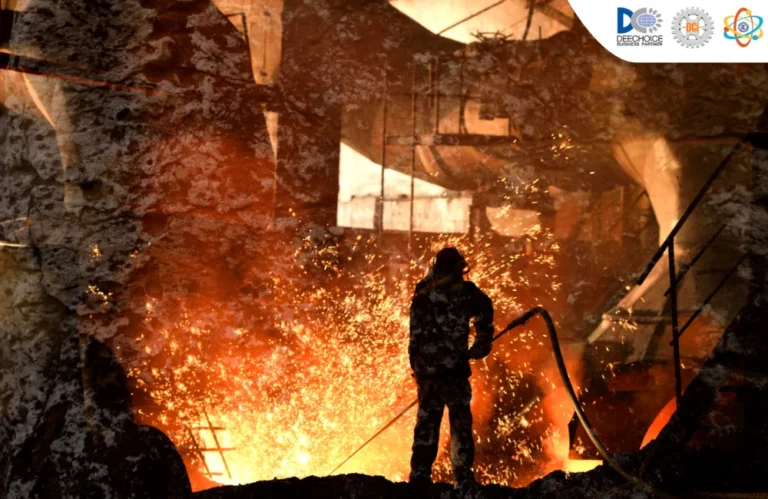
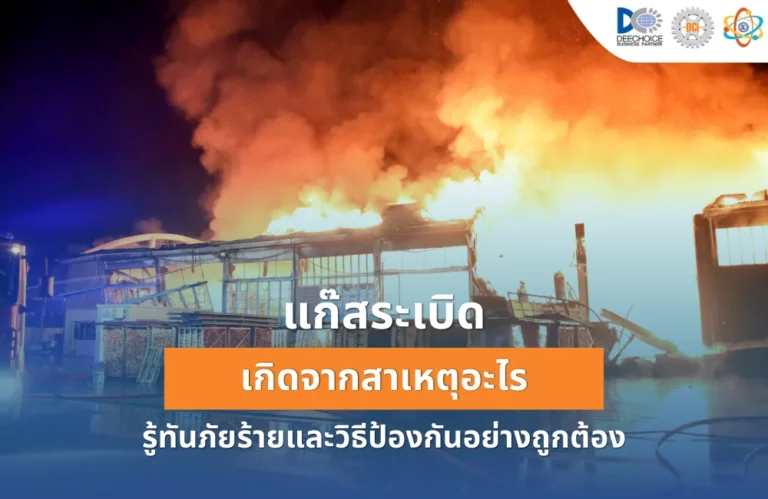
Many people mistakenly believe that any gas leak immediately causes an explosion, or that a gas cylinder can easily explode by itself. Scientifically, a severe gas explosion requires all 3 elements of fire to combine under suitable conditions:
- Fuel: In this case, LPG that leaks and accumulates in the air until it reaches a flammable concentration.
- Oxygen: The air we breathe contains oxygen, which supports combustion and intensifies a gas explosion.
- Heat or sparks: The final trigger, such as a spark from a light switch, an electrical short circuit, or excessive machinery heat.
Main Causes of Gas Explosions in Buildings and Factories
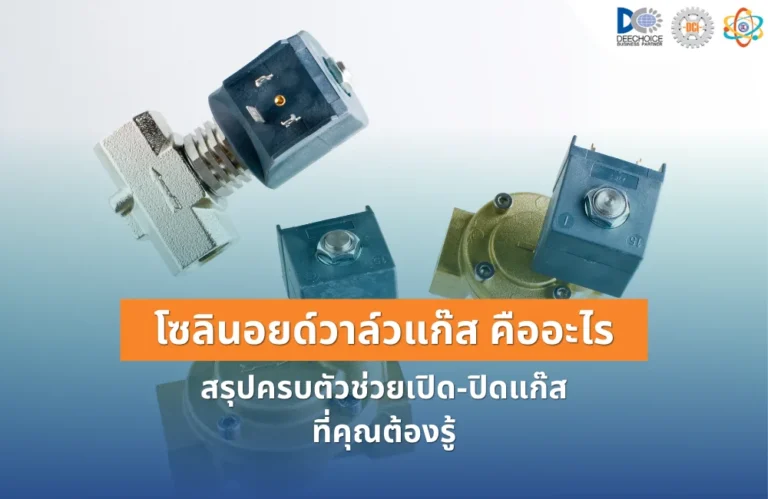
Selecting a gas solenoid valve requires consideration of the system and production process design. Valves are generally classified by their state when no electrical power is supplied. There are 2 common types:
Gas Accumulation from Damaged or Deteriorated Equipment
A leading cause of gas explosions begins with aging valves, hoses, or pipe joints that allow LPG to leak continuously. If undetected, gas can accumulate to a dangerous concentration, where even a small ignition source may trigger an explosion. Regular equipment inspections are therefore the first line of defense.
Poor Ventilation and Enclosed Spaces
LPG is heavier than air. When it leaks, it settles near the floor or in poorly ventilated spaces. If a factory or gas storage room lacks adequate ventilation, leaked gas cannot disperse outside. Accumulated flammable gas in an enclosed area creates especially favorable conditions for an explosion: ignition causes combustion pressure to build in the confined space, increasing severity and damage.
Sparks from Electrical Equipment and Unsafe User Practices
Even when leaked gas has accumulated, an explosion requires an ignition source. Sparks often result from careless actions such as switching lights on or off, plugging in appliances, using a mobile phone, or generating static electricity near a leak. Electrical equipment that lacks explosion-proof protection in hazardous areas is another potential source of sparks that can lead to a gas explosion.
Gas Explosion Prevention and Safe Practices
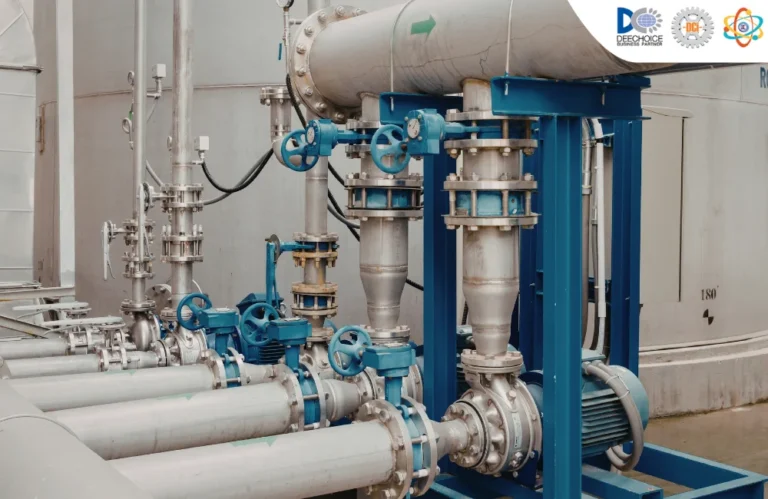
Preventing gas explosions involves interrupting the 3 risk factors, especially by preventing leaks and controlling ignition sources. For factories and workplaces, clear, strictly enforced procedures provide the strongest protection:
Inspect and Close Gas Valves After Every Use
One of the simplest and most effective preventive measures is disciplined operation. Employees should be trained to check and close cylinder or main valves after use, isolating the fuel supply to the piping. Secure closure helps prevent gas from accumulating inside buildings overnight or during holidays, when an incident may go unnoticed and cannot be controlled in time.
Provide Suitable Layout and Ventilation
Ventilation is an essential consideration when designing gas installation areas. Because LPG is heavier than air, vents should be provided near floor level so leaked gas can disperse outside quickly rather than accumulate dangerously. An open, well-ventilated environment reduces fuel concentration and is an effective physical measure against gas explosions.
Install Gas Detectors and Automatic Shut-off Valves
Relying solely on people may be insufficient. Technology plays a key role in prevention. Factories should install gas detectors at high-risk locations. When a sensor activates, it sounds an alarm and immediately commands the automatic shut-off valve to close. Early fuel isolation helps prevent leaked gas from reaching ignition sources, providing advanced protection against gas explosions.
Installation Standards and Annual Inspections: Keys to Reducing Risk
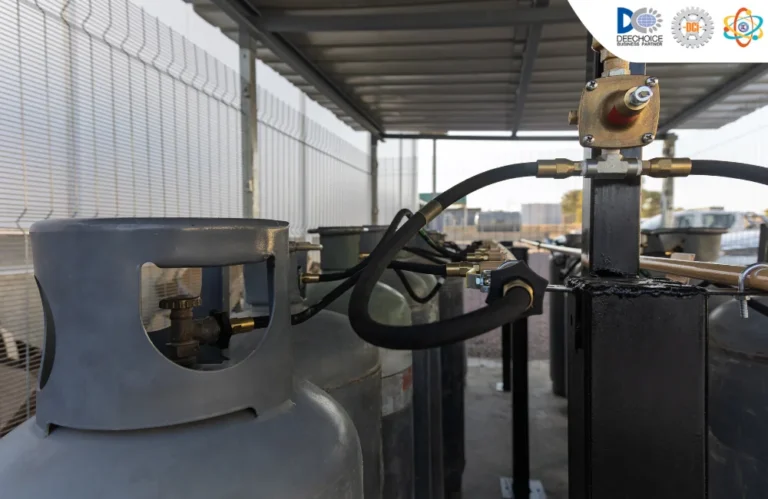
Lasting safety starts with design and continues through ongoing maintenance. Working with specialists and strictly following legal requirements are essential to keeping gas systems stable and safe.
Gas System Design and Installation by Specialist Engineers
A substandard gas system is a ticking time bomb. Prevention must begin with design and installation by licensed engineers with specialist expertise. Seamless steel pipes, accurate pressure calculations, and internationally certified equipment help the system withstand demanding use, prevent leaks, and reduce explosion risks.
Legally Required Annual Gas System Inspections
Gas systems wear over time. The law therefore requires annual safety inspections by a professional mechanical engineer to identify weaknesses that could lead to an explosion. Thorough checks of welds, valve performance, and simulated automatic shut-off operation enable timely preventive maintenance and replacement of deteriorated parts, helping keep the factory protected.
Frequently Asked Questions (FAQ)
Do Gas Cylinders Explode Easily, and What Causes It?
Gas cylinders do not explode easily because safety valves release excess pressure. Explosions more often involve leaked gas accumulating in the air and meeting an external ignition source, rather than the cylinder itself spontaneously exploding.
Can Using a Mobile Phone Near a Gas Cylinder Cause an Explosion?
Phone use may generate static electricity or small amounts of heat. If leaked gas has accumulated densely in the area, this may provide an ignition source for a gas explosion.
What Should You Do if You Smell a Strong Gas Leak to Avoid Sparks?
Do not switch lights or electrical appliances on or off, and do not use a phone in the area. Promptly close the gas cylinder valve, open doors and windows for ventilation, and evacuate people to prevent a gas explosion.
Summary: Prevention Starts with Care and Standards-Compliant Systems
Gas explosions are preventable tragedies when we understand the risks and strictly follow safety standards. Choosing compliant systems and maintaining them regularly are essential.
If you need specialists in gas system installation and factory gas piping, DeeChoice Group offers a specialist team with more than 10 years of experience. We use high-quality products meeting Department of Energy Business standards and serve with dedication. Standards and safety are central to DeeChoice Group. For further information, contact us through the following channels:
- Tel. 061-830-2626 (Sales)
- Line ID: @dcbpartner (Service)
- Facebook: Deechoice Group
- E-mail: Sales@dcbpartner.com