

Industrial LPG supports efficient production, but operators must remain alert to gas leaks. This silent hazard can escalate into a major fire or explosion without adequate preparation and response.
DeeChoice Group explains common causes, initial detection methods, and proactive measures to maximize safety for your factory and business.
The Dangers of Gas Leaks A Silent Hazard with Far-Reaching Consequences
A gas leak may seem like little more than an unpleasant odor, but LPG escaping and accumulating in the air can have severe, wide-ranging effects:
- Fire and Explosion Risk: LPG is highly flammable. If leaked gas accumulates at a suitable concentration, even a small spark from a switch or static electricity can trigger a serious fire or explosion.
- Health and Respiratory Hazards: Although LPG is not directly toxic, in enclosed or poorly ventilated areas it displaces oxygen. Inhaling the atmosphere can cause dizziness, weakness, suffocation, unconsciousness, or death.
- Business and Property Loss: Beyond risks to life, gas leaks can damage machinery and buildings and cause production Downtime, directly affecting income and organizational credibility.
Main Causes of Gas Leaks in Buildings and Factories
Effective prevention starts with understanding where leaks originate. In factories with intensive, continuous operation, there are many contributing factors, commonly grouped into 3 main causes:
Deterioration of Equipment, Pipes, and Valves
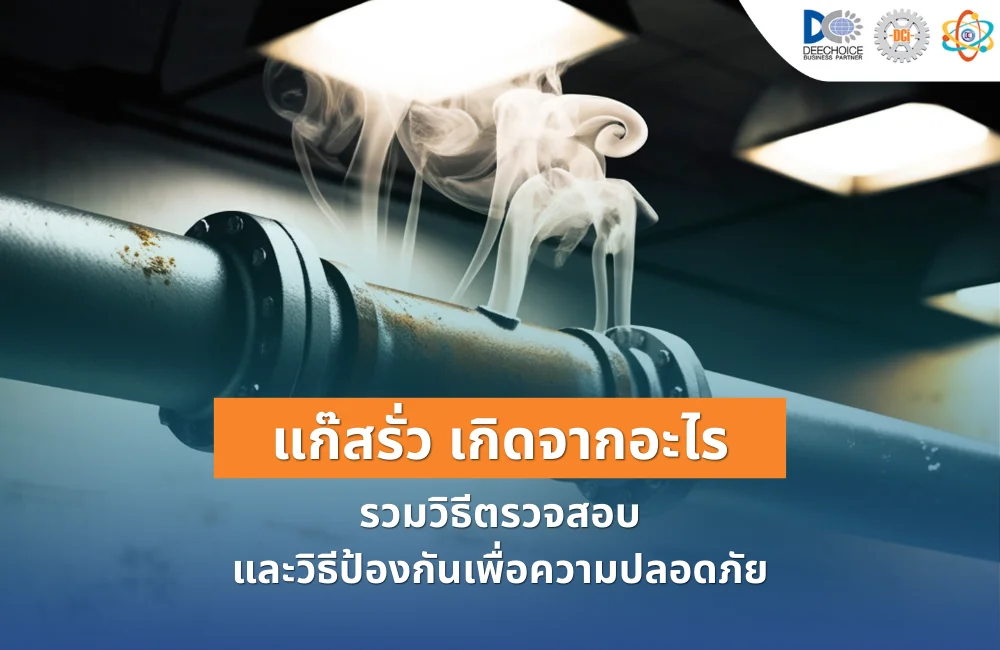
Every gas component has a service life. Aging seals, gaskets, and shutoff valves lose their ability to contain pressure. Steel pipes corroded by moisture or chemicals can become thin and develop pinholes that allow gas to escape.
Non-Compliant Installation and Unsuitable Equipment
Installation standards must not be overlooked. Water pipes or plastic pipes used instead of seamless gas pipe, or poorly made joints by inexperienced installers, can leak under high pressure. Equipment without recognized certification or unsuitable for LPG is a hidden risk in the factory.
Physical Accidents and Lack of Maintenance
Material handling and forklifts can strike pipes without Impact Protection, breaking them or disconnecting joints and causing major leaks. Skipping scheduled inspections also misses small defects before they become large leaks.
Detecting Warning Signs of Gas Leaks
Early detection is essential to stopping a gas leak from becoming a disaster. Standard gas systems allow abnormalities to be recognized through human senses and detection technology. Here are 3 main methods:
Recognizing an Unusual Pungent Odor (Ethyl Mercaptan)
LPG is naturally colorless and odorless. Manufacturers add Ethyl Mercaptan, giving it a pungent rotten-egg-like smell that can be noticed even with a small leak. If this unusual odor is present, assume there is a gas leak in the area.
Soap Bubble Checks at Joints and Valves
If an odor is present but the location is uncertain, apply soapy water or diluted dishwashing liquid to pipe joints, valves, or regulators. Escaping gas produces visible growing bubbles. Never use a lighter or match to find a leak, as this can immediately cause fire or explosion.
Using Detection Technology for Gas Leaks (Gas Detector)
In factories, smell alone may be too slow or insufficient. Gas Detectors at risk points such as vaporizer rooms or main pipelines detect gas in the air and sound an alarm when levels become hazardous. They can reveal leaks at night or when no staff are present.
Immediate Safety Actions When You Discover Gas Leaks
Staying “calm” is vital in an emergency. Once a leak is confirmed, the priority is initial control and reducing ignition risks rather than panic. Follow these steps:
Ventilation and Electrical Precautions to Reduce Risk
First close the cylinder valve or main valve to stop supply, then open doors and windows to disperse accumulated gas. Do not turn electrical switches on or off, unplug equipment, or use a mobile phone in the area, as even a tiny unseen spark may ignite the gas.
Evacuation and Emergency Reporting
If a severe leak continues after closing the valve, a loud hiss is heard, or the valve cannot be reached, evacuate everyone immediately to a safe assembly point, moving upwind. Once at a safe distance, call the fire service and your gas system engineers or service provider for urgent assistance.
Preventing Gas Leaks Sustainably in Industry
Reacting after a leak may be too late. Prevention is the most worthwhile investment. Large industrial gas users should adopt proactive measures to close safety gaps:
Automatic Leak-Triggered Gas Shutoff (Solenoid Valve)
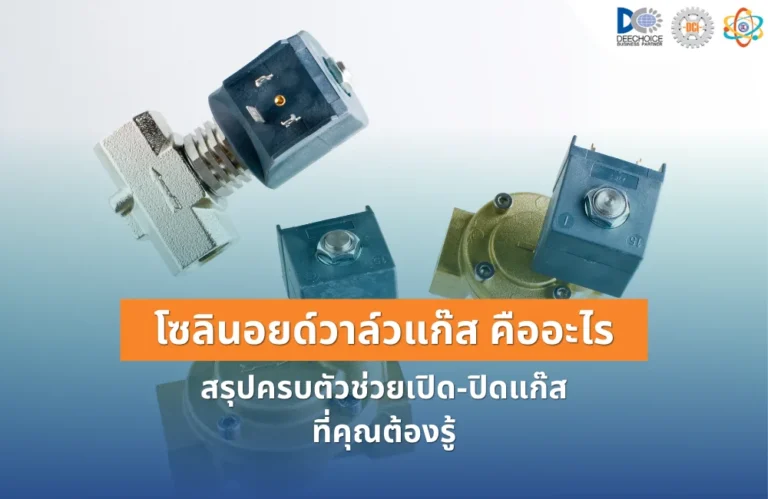
A Solenoid Valve linked to a Gas Detector is an essential safety system. When a sensor detects gas above its set limit, it immediately signals the main supply valve to close automatically, responding quickly even without staff monitoring the area.
Annual Gas System Inspections by Engineers
Required inspections serve real safety purposes. Annual checks by a specialist professional mechanical engineer (Preventive Maintenance) identify weaknesses and deterioration in pipes and valves that may not be visible. Regular maintenance effectively prevents leaks and keeps the system reliable.
Frequently Asked Questions (FAQ)
Does LPG Have an Odor, and Why Does It Smell?
LPG is naturally colorless and odorless. Ethyl Mercaptan is added to create a pungent warning smell so leaks can be noticed immediately.
If There Are Gas Leaks Will an Explosion Occur Immediately?
Not immediately. Gas ignites or explodes only when it accumulates at a suitable concentration and a spark or high heat provides ignition.
How Often Should Gas Hoses and Regulators Be Replaced?
To prevent age-related leaks, replace gas hoses every 2 years and regulators every 5 years, or immediately if cracking appears.
Conclusion: Prevent Gas Leaks at the Source Through Compliant Design and Installation
Gas leaks are preventable when standards receive attention from the start. Quality equipment, regular maintenance, and reliable alarms are key to reducing risk.
If you are looking for specialists in gas system installation and factory gas piping installation, DeeChoice Group has a specialist team with more than 10 years of experience. We use high-quality products that meet Department of Energy Business standards and provide attentive service, because standards and safety are central to our work. For more information, contact us through the following channels:
- Call 061-830-2626 (Sales)
- Line ID: @dcbpartner (Service)
- Facebook: Deechoice Group
- E-mail: Sales@dcbpartner.com